15+ DIY Postpartum Care Kit Essentials for New Moms
This post may contain affiliate links
Putting together a DIY postpartum care kit for after baby arrives, and not completely sure what you actually need — versus what you can skip? You are in the right place, mama. Today I am sharing every single postpartum essential I could not live without after delivery, exactly why you will need each one, and a few honest tips to help you put together the most complete and genuinely useful postpartum kit possible.
Let’s dive right in!
What Does the Hospital Give You After Having a Baby?
Before we talk about what to buy for your own DIY postpartum kit, it is worth knowing what your hospital will typically send you home with — because it is a helpful starting point, even if it is not nearly enough for the full recovery ahead.
While what the hospital provides will vary across facilities and countries, most new mamas can expect to receive some combination of the following postpartum supplies during their stay:
Waterproof bed pads, mesh panties, heavy postpartum pads, a basic peri bottle, numbing spray, witch hazel pads, and pain medication.
Here is the honest truth though — even if you ask your nurses for extras before you are discharged (which I absolutely recommend doing — most nurses are happy to send you home with everything left in your room), the hospital supplies will typically last you one or two days at home at most. After that, you are on your own.
That is exactly why putting together your own DIY postpartum care kit well before your due date is one of the most genuinely loving and practical things you can do for your postpartum self.
One more important tip before we get into the list: because you genuinely cannot know in advance which specific products will work best for your body and your recovery, I always recommend starting with smaller package sizes of each item so you can test things out first. You can always order more of what you love — and skip restocking the things that did not work for you.

Your Complete DIY Postpartum Care Kit
01. Waterproof Bed Pad
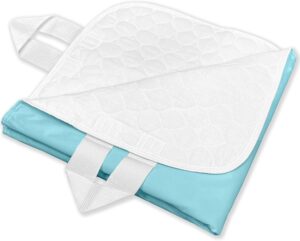
After labor and delivery, you will be moved to the postpartum ward where you might notice that the hospital beds are lined with thick, absorbent waterproof pads underneath the fitted sheet. This is for good reason — postpartum bleeding is real, significant, and completely normal, and the last thing you want to worry about in those first exhausting weeks at home is protecting your mattress.
Grab a pack of washable, waterproof bed pads before baby arrives and place one under your fitted sheet from day one at home. They are reusable, easy to wash, and they will save your mattress and your sanity during the heaviest days of postpartum bleeding. This is one of those items that feels like a small detail until the moment you genuinely need it — and then it feels absolutely essential.
02. Waterproof Mattress Protector
Beyond the disposable bed pads, I also strongly recommend protecting your mattress with a proper waterproof fitted mattress protector — and the reason for this goes beyond just postpartum bleeding. Postpartum night sweats are a genuinely significant and often unexpected part of the postpartum experience, and they can be intense enough to soak through your sheets and into your mattress without a proper barrier in place.
As your hormones readjust after giving birth, your body sheds a significant amount of the extra fluid it retained during pregnancy — and it does a lot of this through sweating, particularly at night. A waterproof mattress protector is one of those low-cost, high-value investments that protects a very expensive piece of furniture and gives you complete peace of mind during one of the more unexpected physical aspects of postpartum recovery.
03. Postpartum Underwear
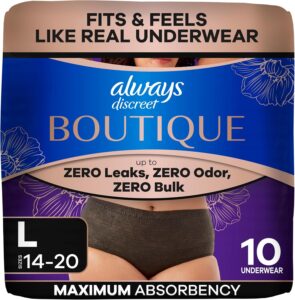
When it comes to postpartum under-things, you genuinely have several options — and what works best will vary from mama to mama and may even change as your recovery progresses. The main options are postpartum underwear on their own, mesh panties with a postpartum pad, period panties with a postpartum pad, or regular comfortable high-waisted underwear with a postpartum pad.
During my hospital stay I wore the mesh panties provided by the nurses alongside the postpartum pads they gave me, which served their purpose well. Once I was home and the bleeding had lightened slightly, I switched to dedicated postpartum underwear — fully padded, stretchy, high-waisted, and genuinely comfortable — and this ended up being my absolute go-to option throughout the bulk of my postpartum recovery.
My honest recommendation is to have a small supply of both mesh panties and dedicated postpartum underwear on hand before baby arrives so you can see which option feels best for your body and your particular recovery.
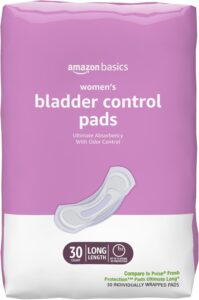
04. Heavy Postpartum Pads
Even if you opt for fully padded postpartum underwear, there will likely be days — particularly in the first week — when the bleeding is heavy enough that you want the extra coverage and absorbency of a dedicated postpartum pad layered inside as well. Postpartum bleeding is significantly heavier than a normal period, especially in those first few days, and having enough heavy pads on hand is genuinely important for your comfort and peace of mind.
Pick up at least one or two packs before your due date and keep them in an easily accessible spot at home so you are never searching for them when you need them most. This is one of those items I would not wait on.
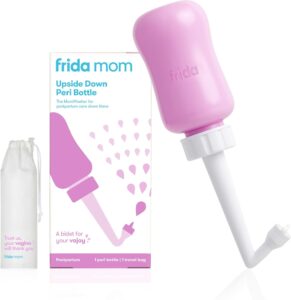
05. The Frida Mom Upside Down Peri Bottle
A peri bottle is one of the most important and genuinely necessary items in your entire DIY postpartum care kit — particularly if you experienced any degree of tearing during delivery. After birth, the perineal area is extremely tender and sensitive, and using dry toilet paper to clean yourself is genuinely not an option. A peri bottle filled with warm water allows you to gently spray and cleanse the area without any painful friction or irritation.
The hospital will give you a basic peri bottle, but here is the problem with standard peri bottles — in order to properly reach and clean the area, you need to angle the bottle upward rather than down, which requires an awkward, uncomfortable, and sometimes genuinely painful contortion while you are hovering over the toilet on sore, sleep-deprived legs.
The Frida Mom Upside Down Peri Bottle completely solves this problem with an angled nozzle design that lets you spray upward naturally and comfortably without any awkward reaching or maneuvering. It is one of the most genuinely brilliant postpartum product innovations available, and it is worth every single dollar for the comfort it provides during those tender first weeks.
06. Pain Medication
Yes — you will almost certainly need pain relief medication during your postpartum recovery, and making sure you have a sufficient supply at home before your due date is a genuinely important part of your postpartum kit. The last thing you want to be doing on day two postpartum is sending someone to the pharmacy for ibuprofen.
Both ibuprofen (Source) and acetaminophen (Source) are generally considered safe options for breastfeeding mamas, but please always speak with your own doctor, midwife, or pharmacist before taking any medication while nursing. Check the expiry dates on anything you already have at home, and stock enough to last at least two to three weeks without needing to reorder.
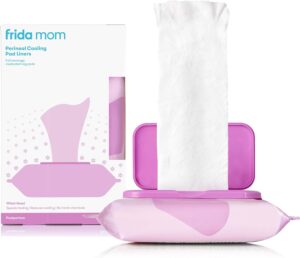
07. Witch Hazel Pads
Witch hazel pads are a truly beloved postpartum staple for very good reason — the natural astringent and anti-inflammatory properties of witch hazel help to reduce swelling, soothe irritation, relieve itching, and ease the general soreness and discomfort of the perineal area after delivery. They are gentle, effective, and genuinely provide meaningful relief during one of the more uncomfortable aspects of postpartum recovery.
Rather than the small, round Tucks pads that require you to layer three or four across a pad to achieve coverage, look for longer witch hazel liner pads that run the full length of a postpartum pad and provide complete coverage with a single liner. They are significantly more convenient and far more effective than the smaller pads — and once you use them, you will completely understand why they appear on virtually every postpartum essentials list in existence.
08. Numbing Spray
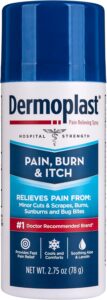
Dermoplast perineal numbing spray is another genuinely tried and true postpartum essential that belongs in every DIY postpartum care kit without question. The first few days after delivery are typically the most tender and sore, and a spritz of numbing spray after using the bathroom or when freshening up with your peri bottle provides fast, meaningful relief that makes an enormous difference to your overall comfort level.
It is also particularly helpful during the later stage of healing — typically around the one to two week mark — when stitches can become itchy as they heal, which is an intensely uncomfortable sensation that the numbing spray helps to relieve significantly. Keep a can within easy reach of your bathroom and use it generously throughout those first few weeks.
09. Sitz Bath Soak
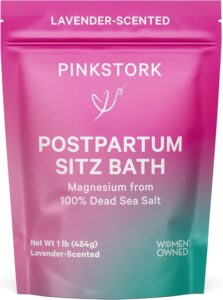
A postpartum sitz bath soak is one of the most soothing and genuinely therapeutic additions to your DIY postpartum care kit — and it is one of the items that many mamas wish they had known about and used more consistently during their recovery.
A sitz bath involves filling a shallow basin or your regular bathtub with a few inches of warm water, adding a scoop of specially formulated sitz bath salts, and soaking the perineal area for fifteen to twenty minutes. The warm water combined with the healing properties of the salts helps to reduce swelling, relieve pain, promote healing, and provide a genuinely significant level of physical comfort during the most tender days of your recovery.
You can purchase a simple plastic sitz bath basin that fits directly over your toilet seat for the most convenient and accessible postpartum sitz bath setup imaginable — no need to fill the whole bathtub each time.
10. Stool Softener
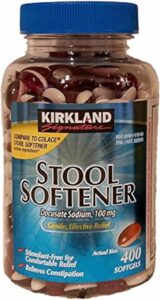
I know. Nobody loves talking about this particular aspect of postpartum recovery. But I would be doing you a genuine disservice by leaving it off this list — because the first postpartum bowel movement is one of the most universally anxiety-inducing experiences of the entire recovery period, and having a stool softener on hand can make an enormous difference to your comfort and peace of mind.
The combination of pain medication, reduced activity, changes in diet, and the general state of your body after delivery can make those first few postpartum days in the bathroom extremely uncomfortable. A gentle, over-the-counter stool softener taken regularly for the first week or two of recovery is one of the most practical and genuinely compassionate things you can do for your postpartum body. Ask your doctor or midwife for their recommended option.
11. Postpartum Perineal Ice Packs
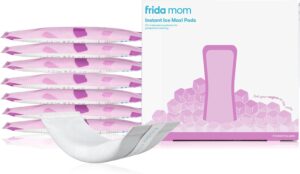
Postpartum perineal ice packs are an absolute revelation for the first twenty-four to seventy-two hours after delivery — a period when swelling and pain in the perineal area can be at its most intense. The cooling relief that a postpartum ice pack provides during these first crucial days is immediate, genuinely significant, and deeply appreciated.
Look for instant-activate disposable postpartum ice packs designed specifically for perineal use — they are easy to use, disposable, and sized and shaped specifically for the postpartum body in a way that regular ice packs are not. The hospital will likely provide a few during your stay, but having your own supply at home for the first few days means you are never without relief when you need it most.
Postpartum Essentials for Breastfeeding
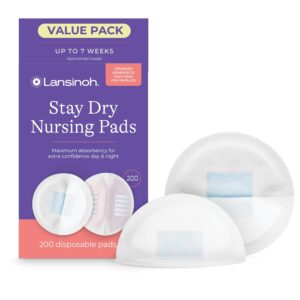
12. Nursing Pads
When you first begin your breastfeeding journey, your body is in the process of regulating how much milk to produce — and during this adjustment period, leaking between feeds is extremely common and can be quite significant. Nursing pads are thin, absorbent pads that you tuck inside your nursing bra to catch any milk that leaks and prevent it from soaking through to your clothing.
You can choose between disposable and reusable nursing pads, and honestly both have their place in the early postpartum weeks. Disposable pads are wonderfully convenient when you are too exhausted to think about laundry, and reusable pads are gentler on the skin and more economical over the long term. Having a mix of both options on hand is genuinely practical. Start with a pack of each and see which you reach for more often.
13. Supportive Nursing Bras
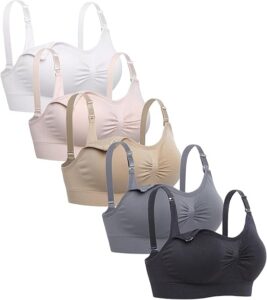
A good set of soft, wire-free, supportive nursing bras is one of those postpartum investments that pays off immediately and continuously throughout your entire breastfeeding journey. The right nursing bra makes the physical act of breastfeeding so much more comfortable and accessible — and during those early weeks when you are nursing or pumping eight to twelve times per day, comfort is genuinely everything.
Look for bras that are wire-free, stretchy, and adjustable to accommodate your changing size throughout the early weeks of nursing. A bra that you can open easily with one hand is an enormous practical advantage during nighttime feeds when your other hand is occupied. Buy two or three in slightly different styles to find what works best for your body before investing in a larger wardrobe.
14. Nursing Tanks and Pajamas
While you could technically continue wearing all your regular tops and pajamas after baby arrives, nursing-specific tops and pajamas make the breastfeeding experience significantly more comfortable and convenient — particularly during the night feeds that define those first exhausting postpartum weeks.
Nursing tanks and pajamas are designed with built-in clip-down nursing access so you can feed your baby quickly and easily without needing to pull a top up over your tender, postpartum belly or figure out layering in a sleep-deprived fog at 3 AM. Soft, stretchy fabrics that accommodate your changing postpartum body are genuinely essential here. Kindred Bravely is one of my favorite brands for postpartum nursing sleepwear — the quality is excellent and the comfort level is extraordinary.

15. A Large Insulated Water Tumbler
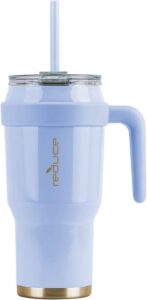
The thirst you experience postpartum — and particularly during breastfeeding — is unlike anything you have ever experienced in your life. I am not exaggerating. Most breastfeeding mamas find themselves consuming three to four liters of water or more per day during peak milk production, and even that sometimes does not feel like enough.
The problem is that when you are nursing a baby, feeding is happening eight to twelve times a day, each session lasting anywhere from twenty to forty-five minutes, and you are frequently stranded on the couch or in the glider without easy access to your water. A large insulated tumbler — ideally 40 ounces or more — with a straw for one-handed sipping and a handle for easy carrying becomes one of the most indispensable objects in your entire daily life during the postpartum period. Keep it filled, keep it beside you, and drink from it constantly.
16. Nipple Butter
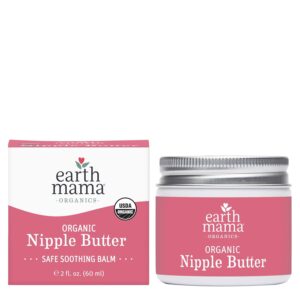
If you are planning to breastfeed, the reality is that the first two to four weeks of nursing involve a significant nipple adjustment period — and dry, cracked, sore, and sometimes even bleeding nipples are an extremely common part of that experience, particularly in the early days before your latch is well established.
A high-quality, all-natural nipple butter or balm is an absolute must-have in your postpartum care kit from day one. Look for a formula that is petroleum-free, lanolin-free if you have sensitivities, and safe for baby without needing to be wiped off before nursing. Applied generously after every single feed, a good nipple butter makes a meaningful and noticeable difference to both healing and ongoing comfort throughout your nursing journey.
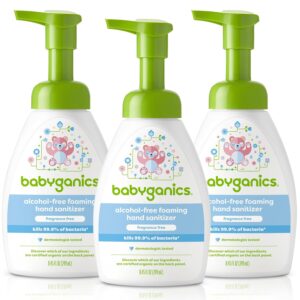
17. Hand Sanitizer for the Nursing Station
This is a small but genuinely important addition to your postpartum care kit that is easy to overlook during the planning phase. Keeping a bottle of hand sanitizer within arm’s reach of your nursing spot means you can quickly clean your hands before each feed without needing to get up and trek to the nearest sink — which, during a nighttime feed when your baby is finally latched and comfortable, is simply not a realistic option.
When Should I Put Together My Postpartum Care Kit?
Aim to have your complete postpartum care kit assembled and ready by 36 to 37 weeks — around the same time you pack your hospital bag. Babies famously do not always wait for their due date, and you do not want to be ordering last-minute deliveries or sending your partner to three different pharmacies while you are in active labor or in the first exhausted days at home with a newborn.
Start small — one package of each item — test what works for your body and your recovery, and then reorder the things you love in larger quantities as needed.
Final Thoughts
A well-prepared DIY postpartum care kit is one of the most genuinely loving and practical things you can do for your future postpartum self — and it costs a fraction of what you will spend on baby gear while delivering a completely outsized impact on your comfort, healing, and overall wellbeing during one of the most physically and emotionally significant seasons of your life.
You deserve to be taken care of just as thoughtfully and intentionally as your new baby. Put together your postpartum kit early, stock it generously, and give yourself the gift of being genuinely prepared for the recovery ahead.
Frequently Asked Questions
When should I put together my postpartum care kit?
Aim to have everything assembled by 36 to 37 weeks, ideally at the same time you pack your hospital bag. Babies arrive on their own schedule, often earlier than expected, and having your postpartum kit fully stocked before you go into labor means one less thing to worry about in those first tender days at home. Start with smaller package sizes of each item so you can test what works for your body before committing to buying in bulk.
How long do you actually need postpartum supplies after giving birth?
Most mamas need heavy postpartum supplies for the first two to four weeks, with lighter needs continuing through the full six-week postpartum recovery period as bleeding gradually tapers off. Perineal care items like your peri bottle, witch hazel pads, and numbing spray are most critical during the first one to two weeks, while nursing supplies and hydration support remain essential throughout the entire breastfeeding journey.
Can I just use the supplies the hospital provides instead of buying my own?
Hospital supplies are a genuinely wonderful head start — and you should absolutely ask your nurses for extras of everything in your room before you are discharged. However, even with generous nurses, the hospital supplies will typically only cover one to two days at home. Having your own well-stocked postpartum kit waiting for you when you arrive home means you are covered and comfortable from the very first day of your recovery.
How much does a DIY postpartum care kit typically cost?
A solid, comprehensive DIY postpartum care kit can typically be assembled for approximately forty to seventy dollars depending on what you already have at home and which brands you choose. Purchasing smaller package sizes initially keeps the upfront cost manageable while allowing you to identify which products work best for your individual recovery before investing in larger quantities.