20+ Neatly Organized Everyday Things From Seriously Organized People
Does seeing things neatly organized make your heart flutter just a little? Oh, same here — completely and without any apology whatsoever. There is something genuinely, deeply, oddly satisfying about everything having its own designated place and actually being in that place. The visual calm it creates in a home is genuinely remarkable.
And here is something I have discovered about my own organizational journey: looking at real, achievable examples of organized spaces from actual people — not magazine photoshoots or impossibly styled influencer homes — is one of the most genuinely motivating things I can do to inspire myself to tackle my own spaces. Something about seeing what is actually possible in a real home with real stuff makes the whole project feel doable rather than overwhelming.
So today I have rounded up over twenty of the most satisfying, most inspiring, and most genuinely achievable examples of neatly organized everyday things from seriously organized people — to spark that organizing itch in you and give you the practical inspo you need to actually act on it.
Let’s get into it — because honestly, just looking at these ideas gives me the most productive kind of energy.

Why Organizing Everyday Things Makes Such a Big Difference
When it comes to getting truly organized at home and in life, it is often the organization of the most mundane, everyday items that makes the most profound difference to the overall feel of your home. We tend to think of organization as a big dramatic project — a full weekend of clearing, sorting, and rebuilding — when in reality the daily items that we interact with most are the ones whose disorganization creates the most visible, most felt chaos in our lives.
Spices arranged neatly in a drawer. Canned goods faced forward on a pantry shelf. Cleaning supplies in labeled bins. Towels folded consistently and stacked in a linen closet. These are not glamorous organizational wins — but they are the ones that genuinely change how your home feels to live in day after day.
Do not overlook the closed doors either. There is a particular joy that comes from opening a pantry or a linen closet and being greeted by total, calm, beautiful order rather than the avalanche of whatever was shoved in there last. That daily micro-experience of opening an organized space is genuinely underrated in its impact on your overall mood and sense of control.
Now — let us look at all the inspiring ideas.
20+ Neatly Organized Things That Will Make Your Heart Happy
01. Color-Coded Day Planner Schedule
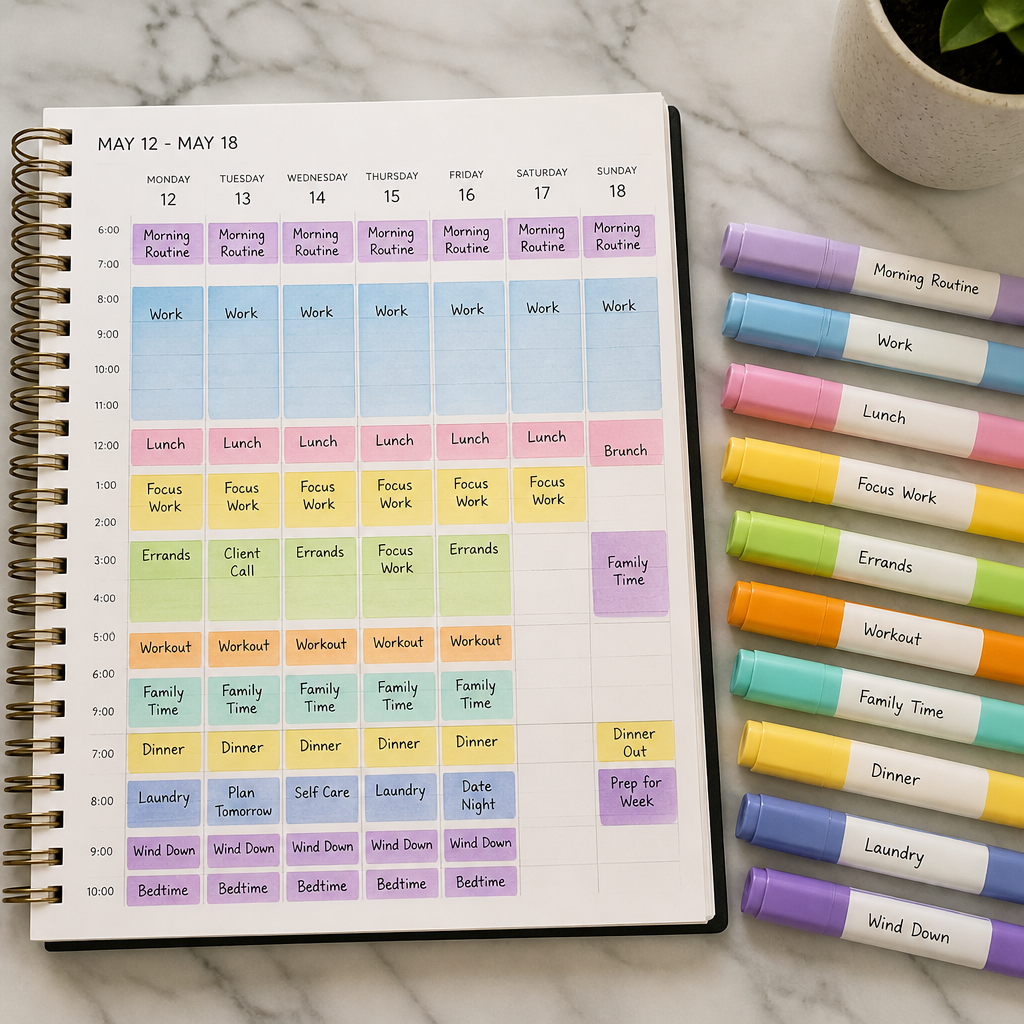
A beautifully color-coded day planner with each category of commitment — work, family, self-care, appointments, errands — assigned its own specific color and time-blocked with precision is one of the most genuinely satisfying organizational systems imaginable for people who are visual thinkers. Color coding your schedule is not just aesthetically pleasing — it works. Being able to see at a glance how your time is actually distributed across your various roles and responsibilities is extraordinarily clarifying and genuinely helps you make better decisions about how you commit your time.
One brilliant tip from the most seriously organized people who use color-coded planning: label your markers so you always know which color is assigned to which category without having to remember. A tiny label maker label on the side of each marker barrel takes approximately thirty seconds and saves the mental energy of re-deciding every time you sit down to plan.
02. A Neatly Organized Pantry
I could genuinely stand in front of a beautifully organized pantry and just look at it. Just openly, unapologetically look at it. If that makes me a particular kind of person, I am entirely comfortable with being that person.
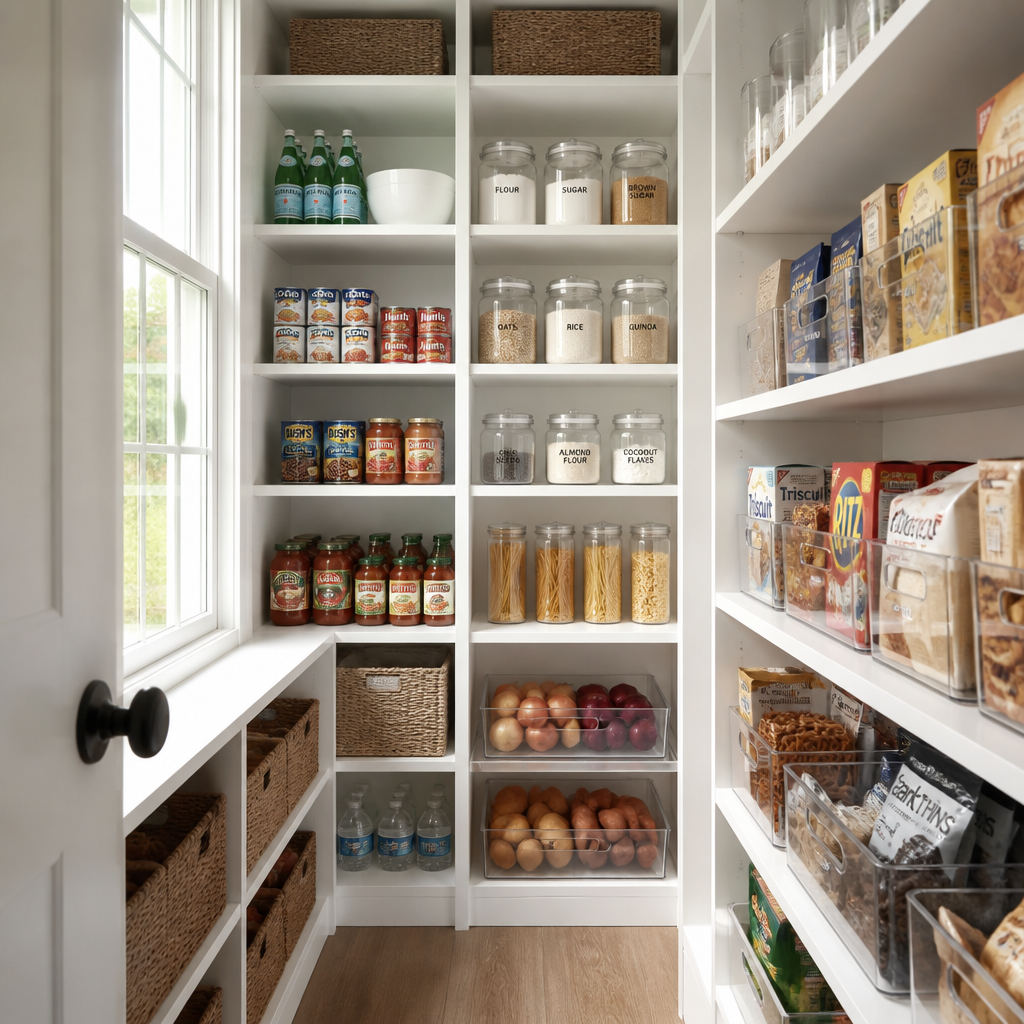
A perfectly organized pantry — categories grouped together, cans and boxes faced forward, dry goods in clear matching containers with labels, baskets for snacks and baking supplies, everything visible and immediately accessible — transforms one of the most frequently used and most easily chaotic spaces in the home into something that genuinely sparks joy every single time you open the door.
The most impactful pantry organization tips from seriously organized people: decant dry goods into clear matching containers and label them, group items by category rather than by the order they were purchased, use turntables for canned goods and condiments, and do a full pantry audit every season to remove expired items and reassess what you actually use.
03. A Beautifully Organized Linen Closet
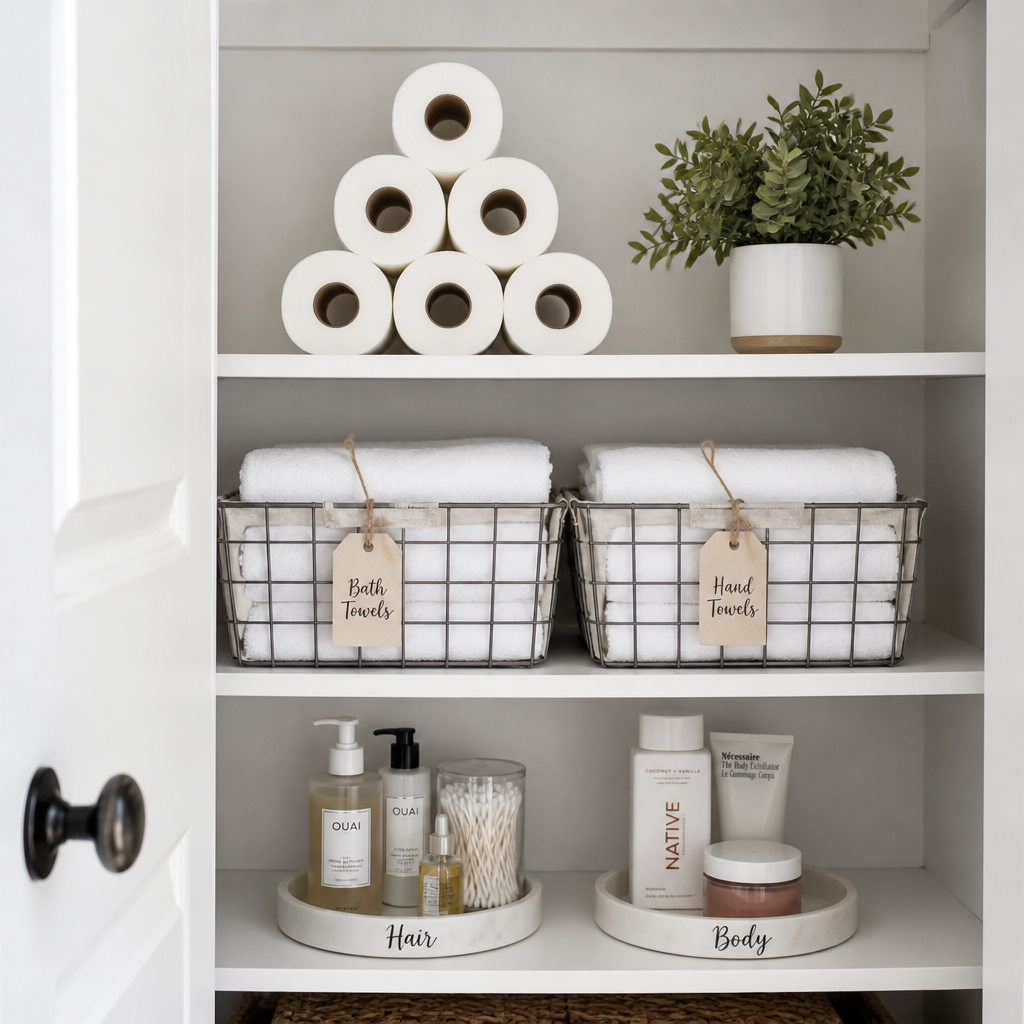
The linen closet is one of those home spaces that most people genuinely overlook — it gets things shoved into it rather than thoughtfully organized, and then the door stays firmly closed as a result. But an organized linen closet is such a rewarding and genuinely achievable project, and the daily experience of opening it and seeing everything folded consistently and stacked neatly is one of those small domestic pleasures that is surprisingly significant.
The most beautifully organized linen closets use a consistent folding method for all towels and sheets — the popular method of folding fitted sheets into neat rectangles and storing sheet sets inside their own pillowcase is a genuinely brilliant approach — grouped by category and by size, with the items used most frequently positioned most accessibly. Matching baskets for smaller items like washcloths, hand towels, and guest toiletries finish the look and keep the visual calm consistent from top shelf to bottom.
04. Cord and Cable Management
In a world that claims to be increasingly wireless, we somehow have more cords and cables in our homes than ever before — and the tangled, chaotic pile of chargers and cables that accumulates in a home office, behind the entertainment unit, or in the miscellaneous electronics drawer of every kitchen is one of the most universally relatable organizational struggles in existence.
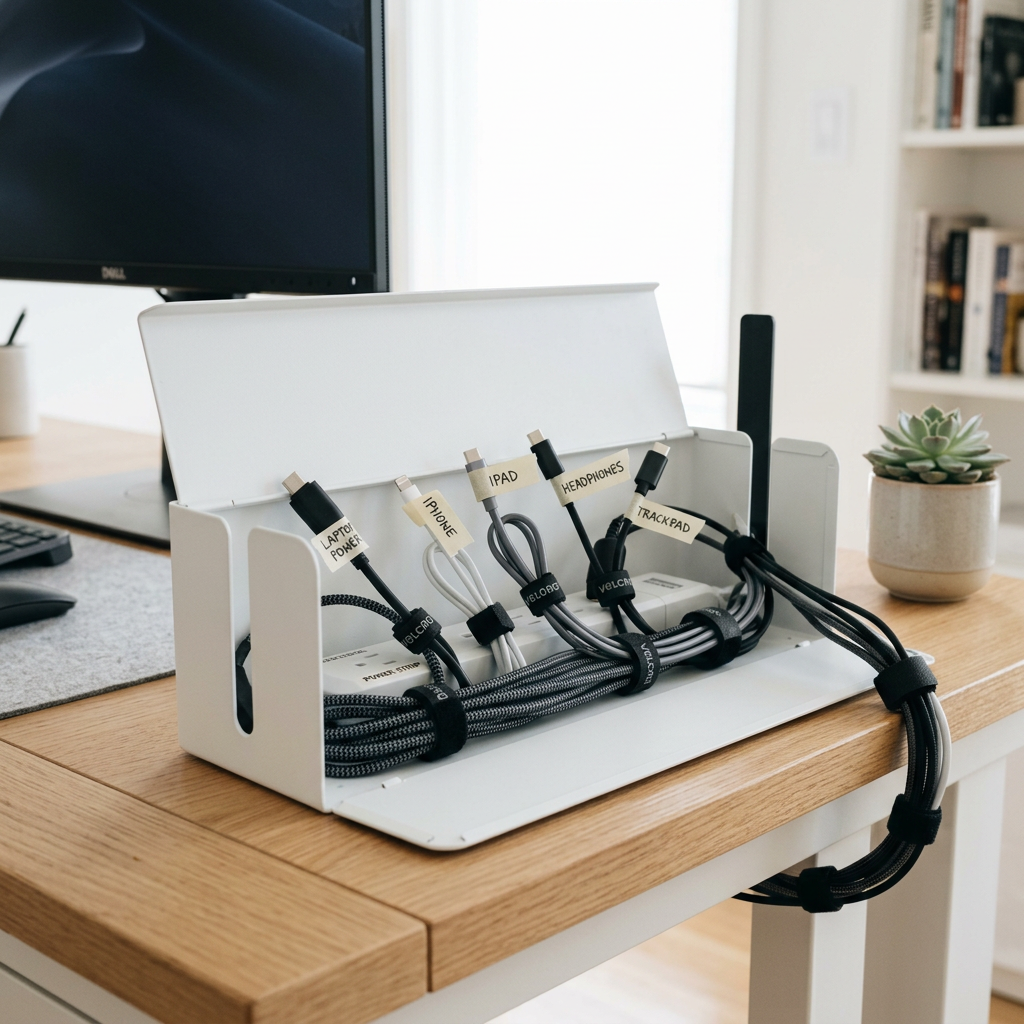
The most seriously organized people approach cord management with a simple but consistently applied system: label each cord at both ends using cable labels or even just small pieces of masking tape with a marker, use cable ties or velcro wraps to contain each cord individually, route cords behind furniture wherever possible, and use a cable management box or channel for the unavoidable cord clusters behind desks and entertainment centers.
The before and after of a properly cord-managed space is one of the most dramatic and genuinely satisfying organizational transformations available — and it costs almost nothing to achieve.
05. A Beautiful Bookshelf Arrangement
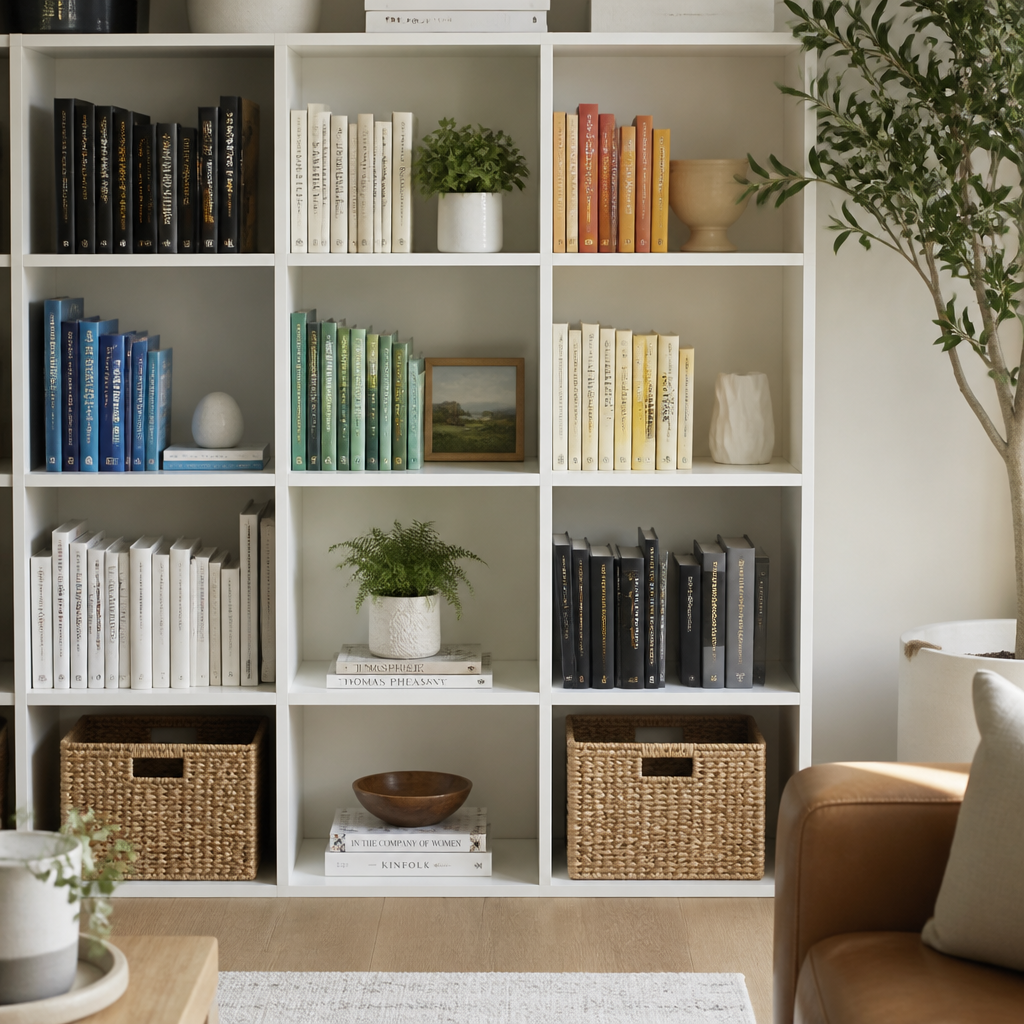
A thoughtfully organized bookshelf is where organization crosses over into genuine interior design — and the most seriously organized bookshelf people understand that aesthetic and functional organization are not mutually exclusive, they are complementary.
Books arranged by color create the most visually striking and immediately beautiful bookshelf displays — if you are the kind of person who can sacrifice quick findability for visual harmony, a color-organized bookshelf is genuinely breathtaking. Books arranged by genre or by author surname make for the most functionally useful system if you actually use your books regularly. Mixing books with a few carefully chosen decorative objects — a trailing plant, a small framed print, a sculptural object, a beautiful candle — gives the shelf warmth and personality without compromising the organized quality of the display.
Woven baskets of varying sizes placed at shelf ends or in dedicated shelf sections keep smaller items contained and add texture to the display while maintaining the overall sense of organized calm.
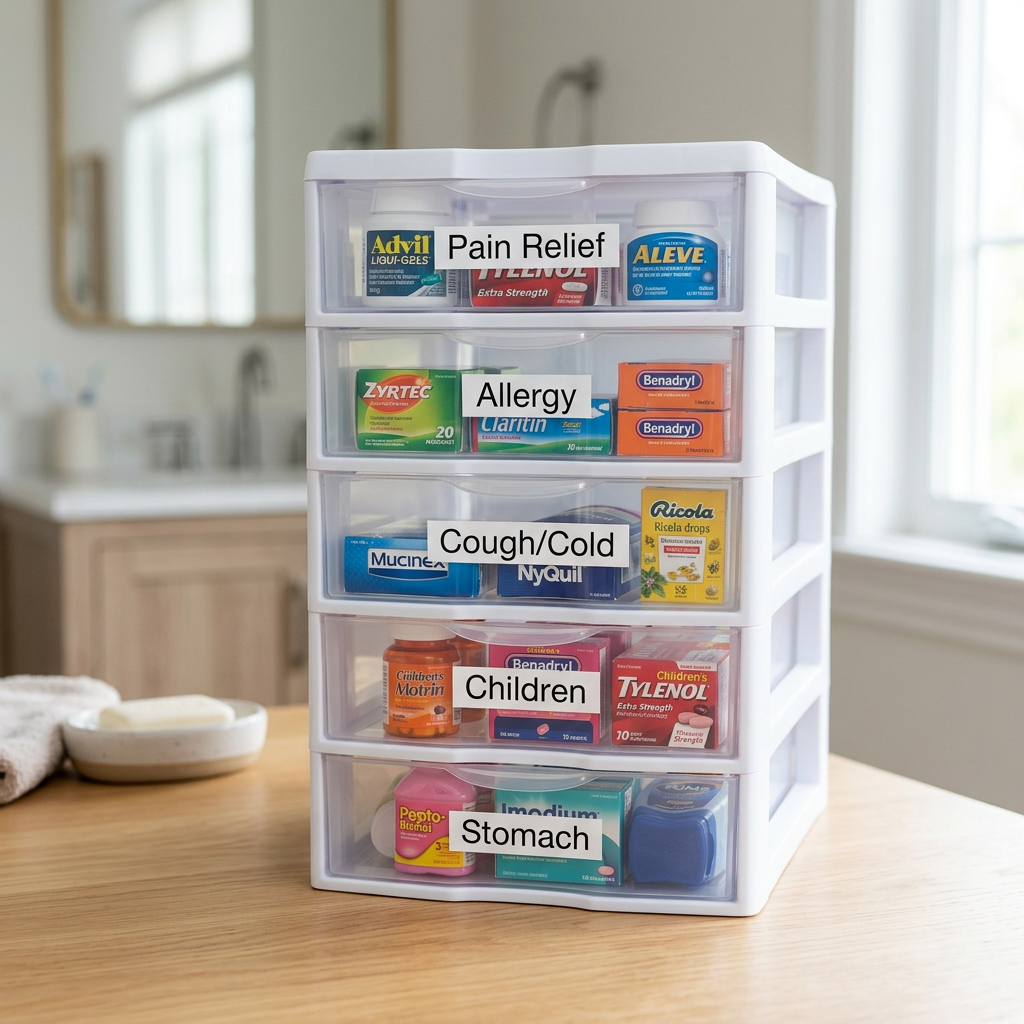
06. Organized and Labeled Medication Drawer
The jumbled, chaotic medication cabinet or drawer that most households have is one of the most universal organizational fails in existence — and also one of the most genuinely important things to have properly organized for practical reasons. When someone in the house is sick at 2 AM and you need to find the right medication immediately, a disorganized medication situation is genuinely stressful.
The most brilliant and budget-friendly solution used by seriously organized people: a small plastic multi-drawer organizer from the dollar store, with each drawer labeled using a label maker for its specific category — pain relief, cold and flu, allergy, first aid, digestive, children’s. Everything is immediately findable, categories stay separated, and the whole system takes approximately twenty minutes to set up and almost no effort to maintain.
This is genuinely one of the highest-impact, lowest-cost organizational projects you can do for your home.
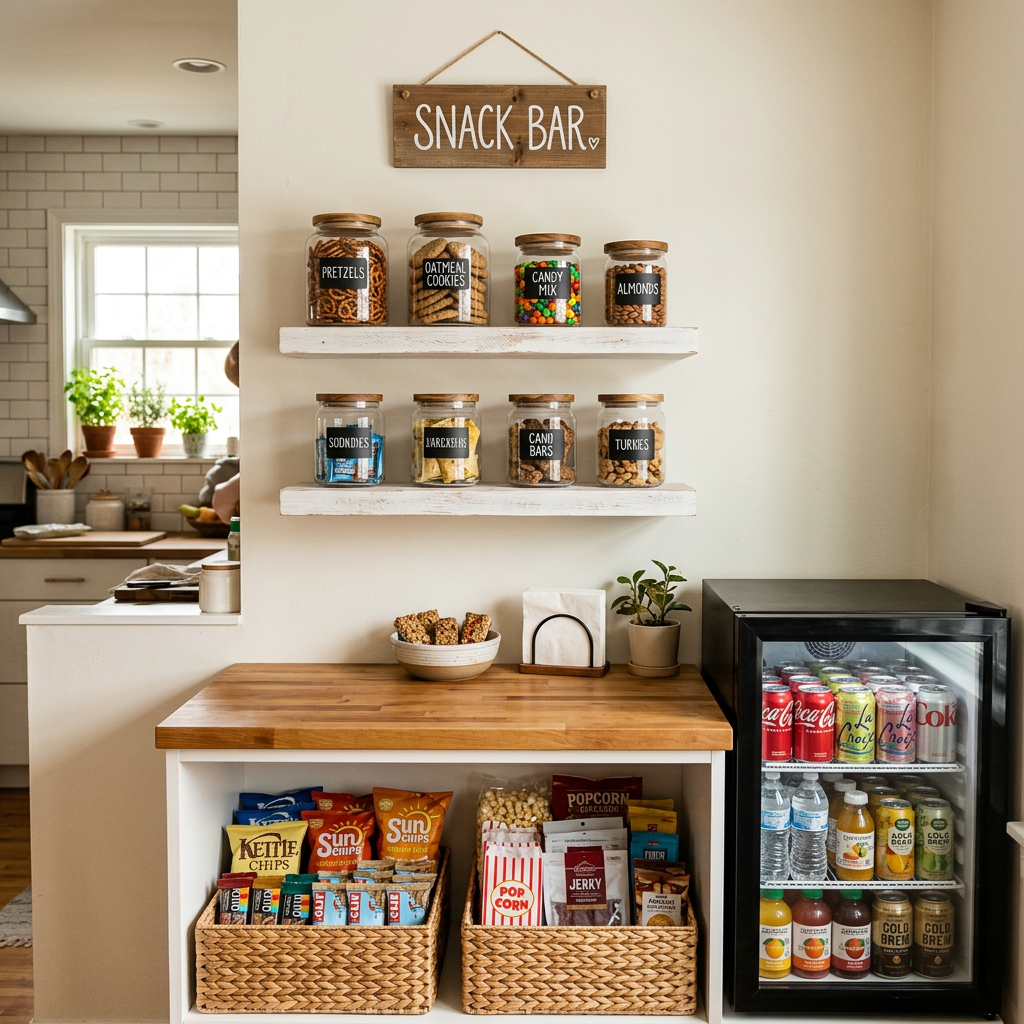
07. A Neatly Organized Coffee or Snack Bar
A dedicated coffee bar or snack station setup is one of those organizational ideas that sits at the exact intersection of practical and genuinely delightful — and once you see a beautifully organized one, the desire to create your own is almost irresistible.
A well-organized snack bar keeps snacks sorted by type in matching labeled containers or baskets, positions grab-and-go items at the front and eye level, and creates a dedicated, self-contained station that everyone in the family can access without requiring any navigation of the broader kitchen organization system. The same logic applies to a beautifully organized coffee station with everything needed for the morning coffee ritual in one dedicated, visually cohesive space.
The organizational magic here is the dedicated zone — when snacks and coffee supplies have their own clearly defined home, they stop migrating across every countertop and drawer in the kitchen.
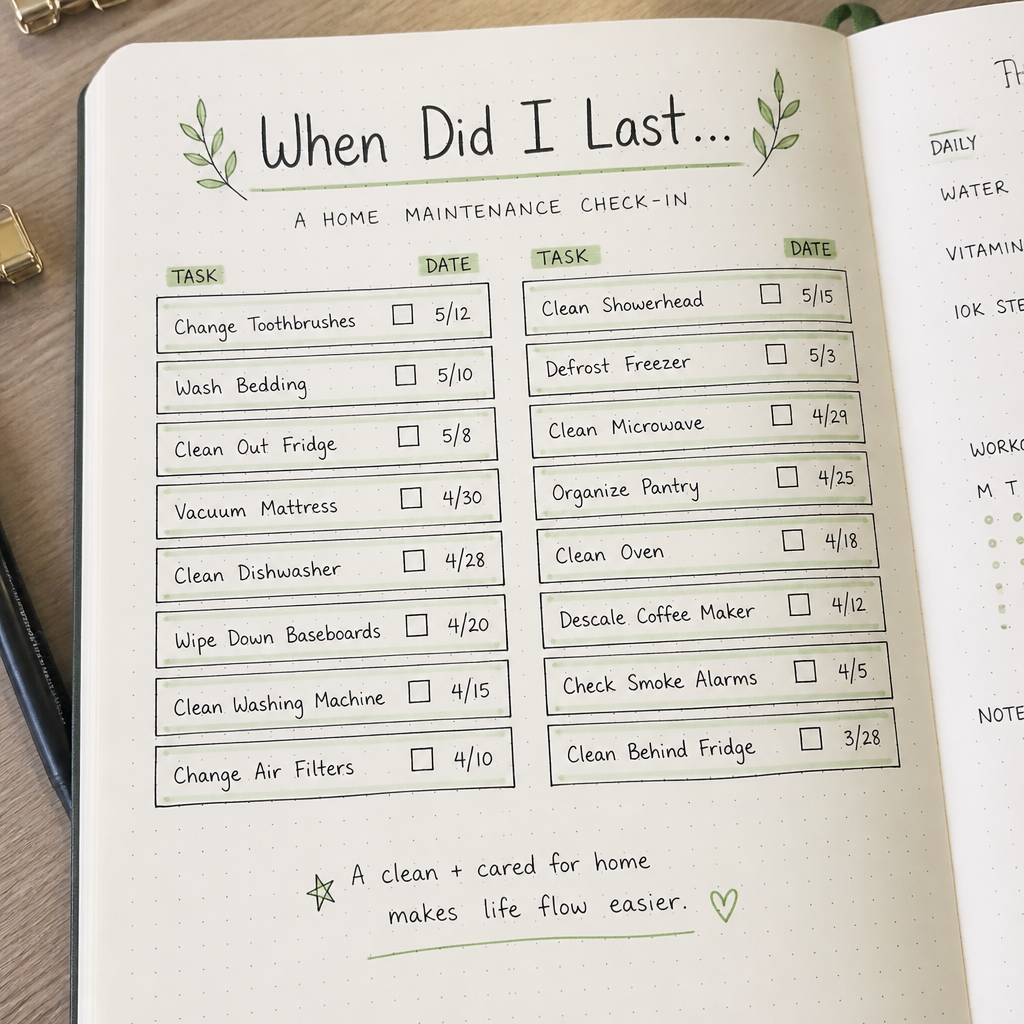
08. Bullet Journal Cleaning and Home Maintenance Tracker
A beautifully designed bullet journal page — or even a simple handwritten chart — that organizes your cleaning schedule and home maintenance tasks by frequency is one of the most genuinely effective ways to manage household responsibilities without letting things fall through the cracks. Daily, weekly, monthly, seasonal, and annual tasks listed clearly and checkable makes the ongoing work of maintaining a home feel manageable, systematic, and genuinely satisfying to work through.
The most seriously organized people use their cleaning tracker not as a source of guilt for what has not been done, but as a genuinely helpful visual guide to what needs attention this week — removing the mental load of trying to remember when things were last done and when they next need doing.
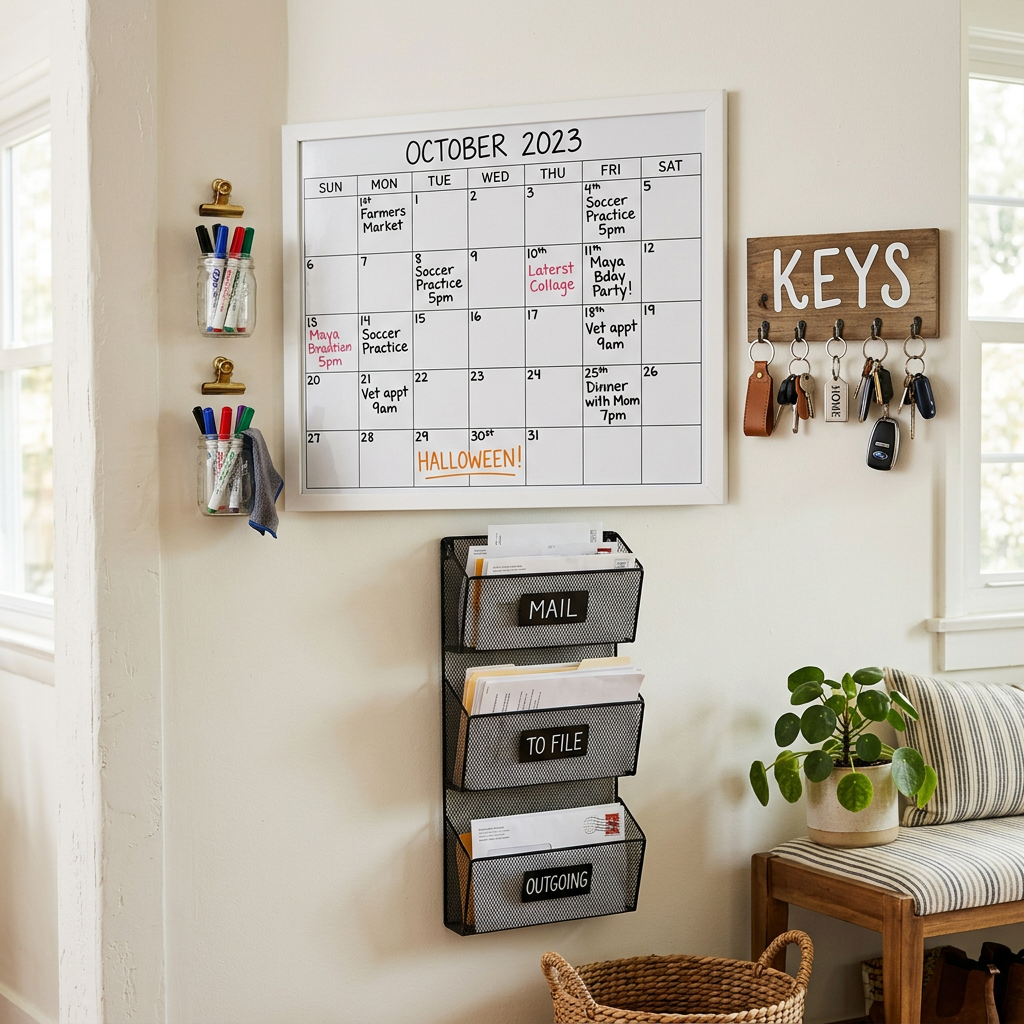
09. Command Center Wall for Household Information
A dedicated command center wall — a specific section of wall in your kitchen, mudroom, or entry hall that contains all the information and items that typically create counter clutter — is one of the most transformative organizational projects available for family homes.
A well-designed command center typically includes a family calendar for tracking everyone’s schedule, a whiteboard or chalkboard for notes and reminders, a mail and document organizer for incoming paperwork, hooks for keys and bags, and perhaps a small charging station. When all of these items have a specific, designated home in one organized wall-mounted system, the counters and flat surfaces around the home stay significantly clearer and the daily operational information of running a household becomes genuinely accessible and organized.
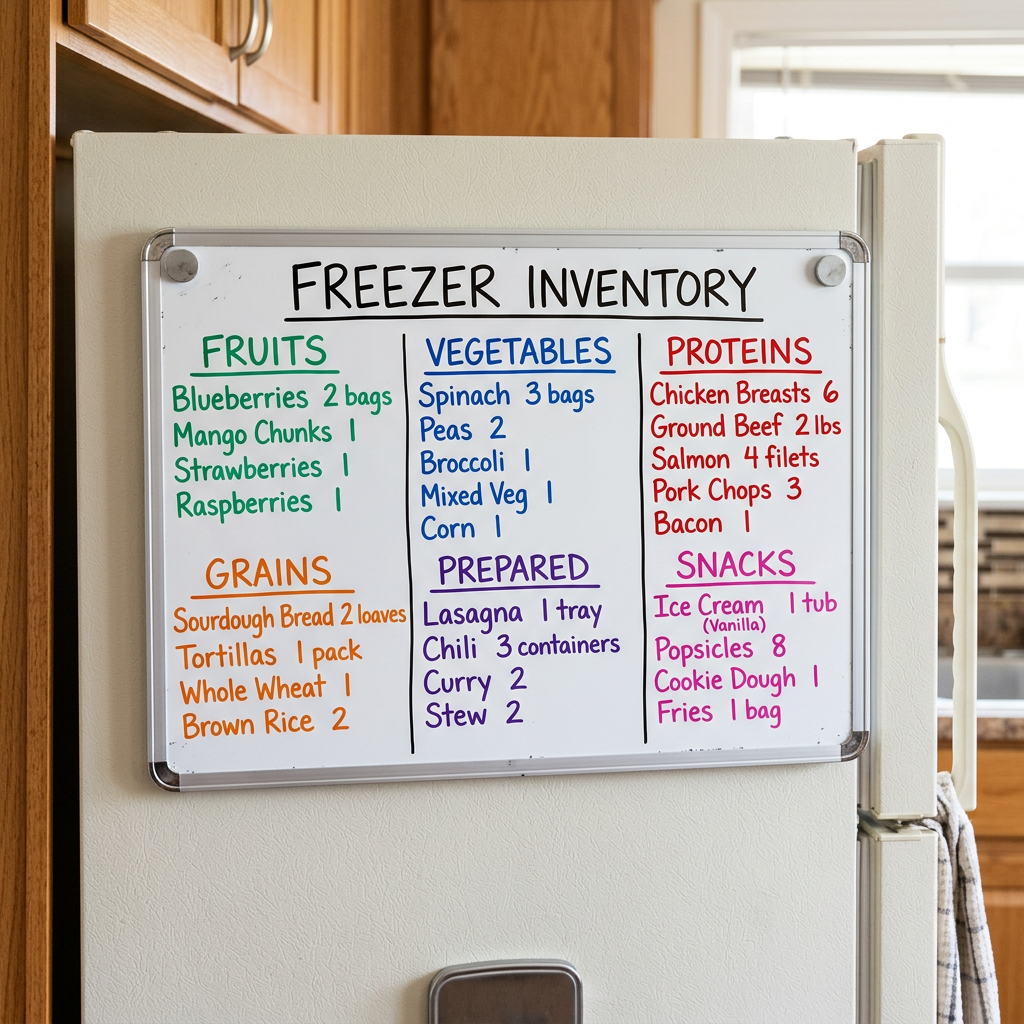
10. Labeled Freezer Door Inventory
This idea is pure organizational genius — using a dry-erase marker to write directly on the side of your extra freezer or on a small whiteboard mounted beside the freezer to maintain a running inventory of exactly what is stored inside. Update it each time something goes in or comes out, and you will never again purchase something you already have, forget about something that has been in there for months, or waste time emptying the freezer to find something you are not even sure is in there.
The organizational payoff of this simple idea is genuinely significant — it reduces food waste, saves money, and eliminates one of the most frustrating cycles of kitchen disorganization in existence.
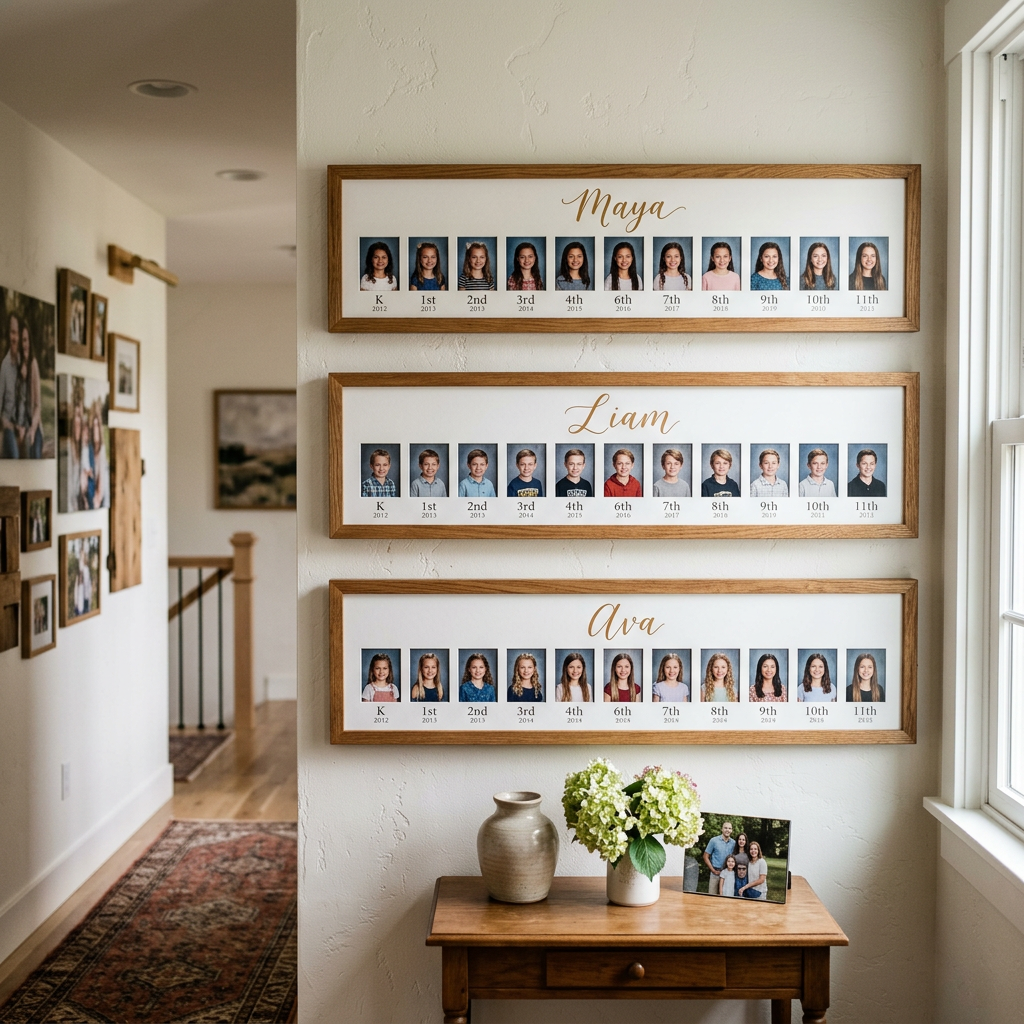
11. School Photo Display System
For parents who have been accumulating school photos for years and have absolutely no organized system for displaying or storing them — which is most parents — a dedicated, consistently organized school photo display system is one of those organizational wins that doubles as a genuinely sentimental and beautiful home feature.
The most elegant solution used by seriously organized parents: a dedicated wall space or frame system where each child’s school photos are displayed chronologically, updated each year as new photos arrive, and clearly labeled with the year and grade. Watching the progression from kindergarten through senior year displayed in one organized, intentional gallery is one of the most heartwarming things a parent’s home can contain.
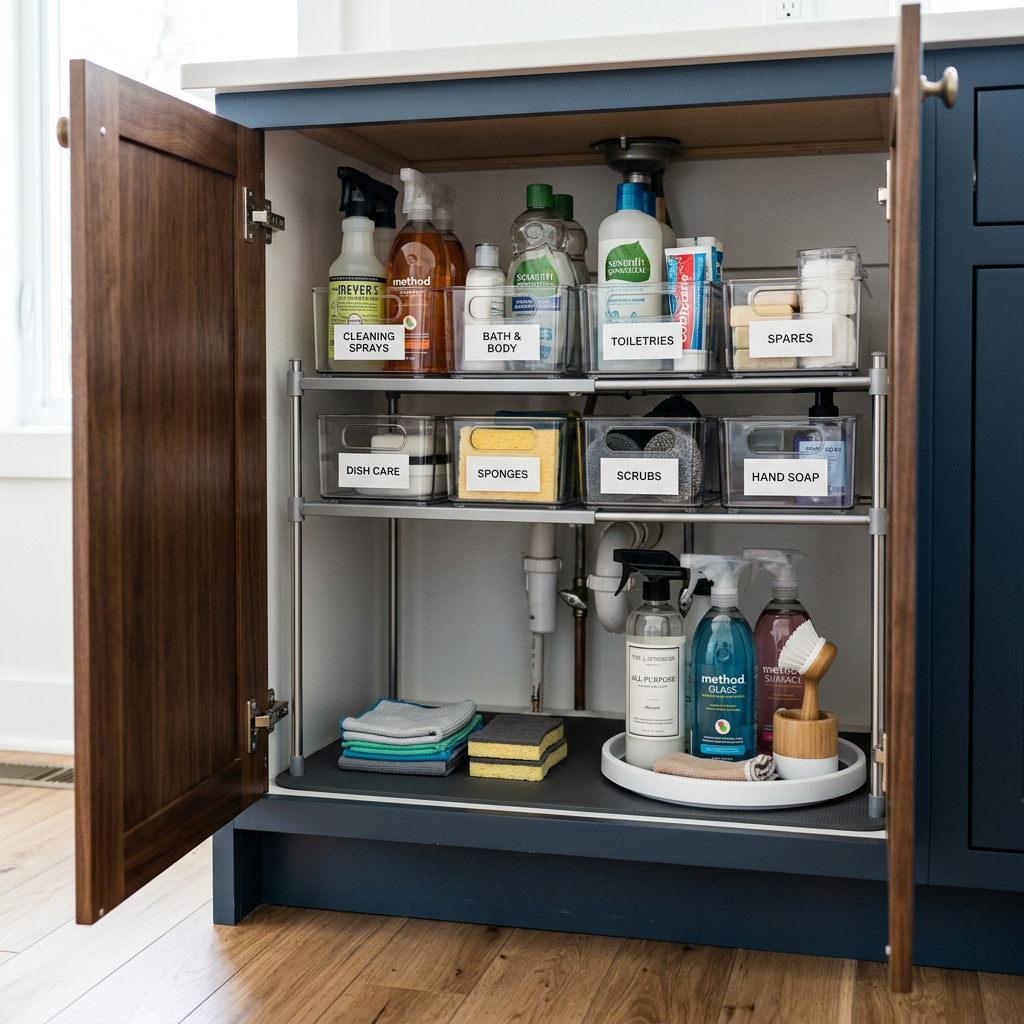
12. Neatly Organized Under-Sink Cabinet
The under-sink cabinet is one of those spaces where chaos seems to accumulate entirely on its own — and bringing meaningful organization to it is one of the most satisfying and impactful small-space organizational projects available.
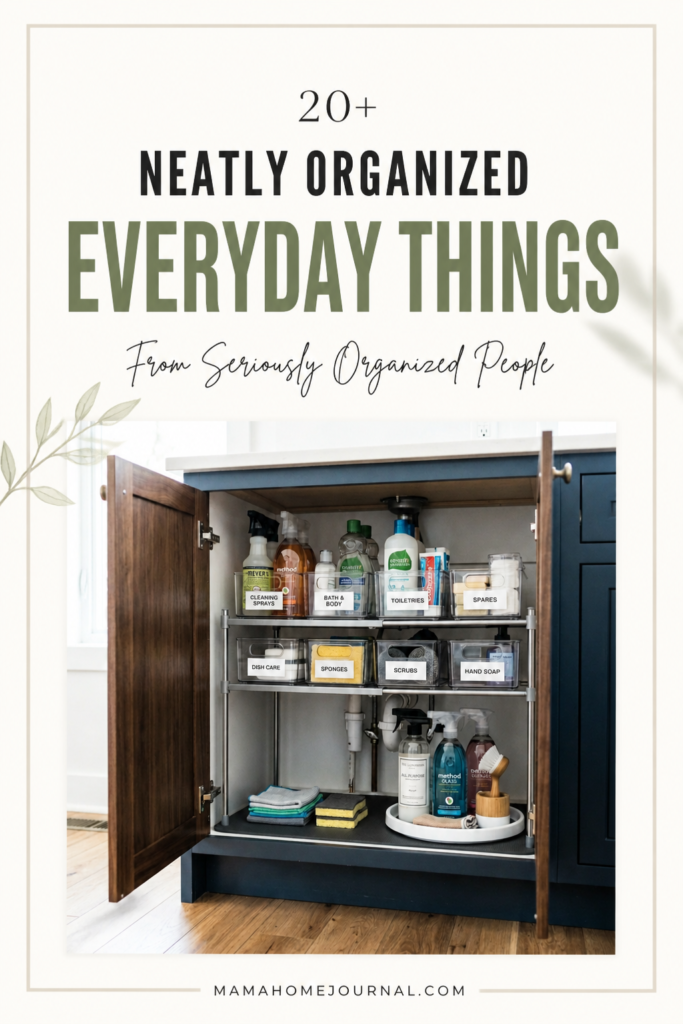
A two-tier expandable shelf that maximizes vertical space, pull-out drawers for items stored at the back, clear bins grouped by category — cleaning products, hand soaps, spare toiletries, hair tools — and a small turntable for frequently used cleaning bottles that gets pulled out to access items at the back all work together to transform an under-sink cabinet from a place where things get shoved to a space that functions beautifully and looks satisfying every time it is opened.
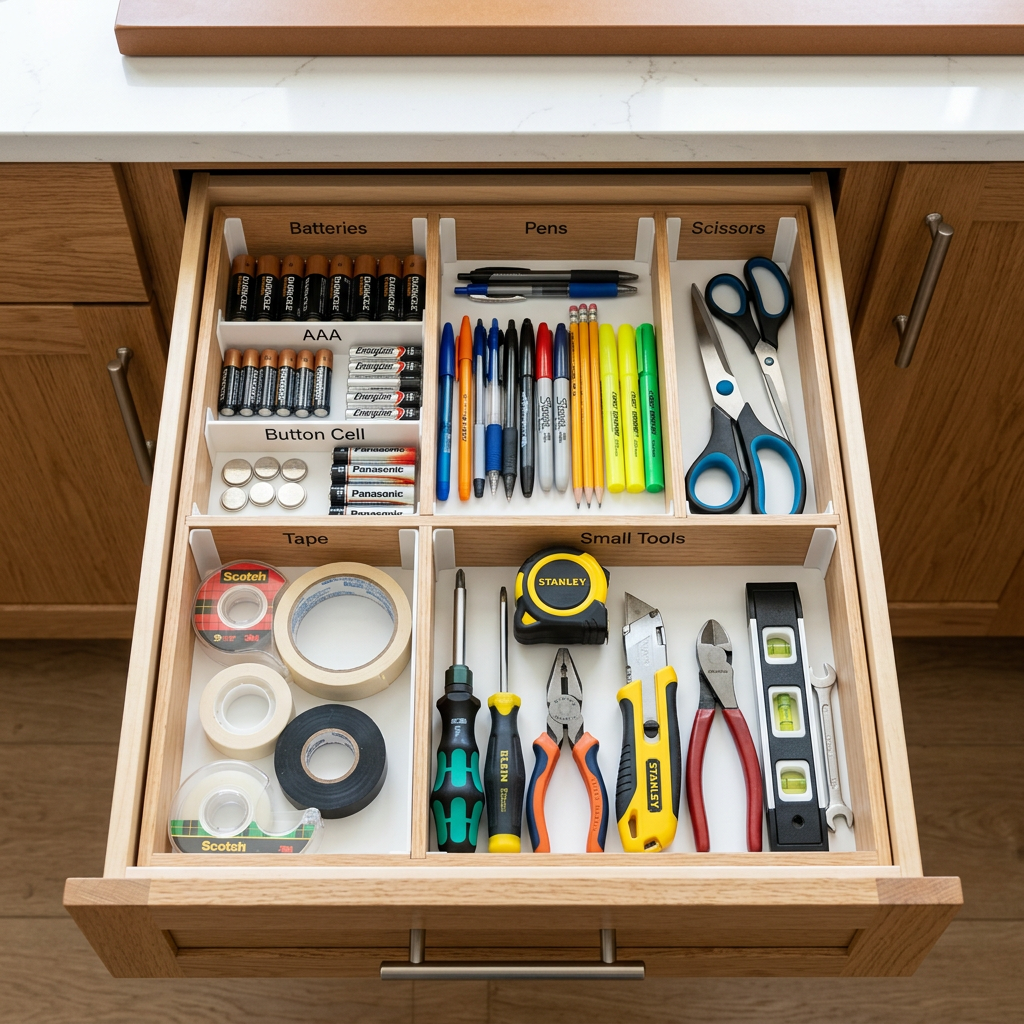
13. Organized Junk Drawer — Yes, Really
Every home has a junk drawer. The most seriously organized people do not eliminate the junk drawer — they organize it. A shallow drawer divided into clearly defined zones using a drawer divider organizer, with specific sections for batteries, pens and pencils, scissors, tape, takeout menus, small tools, and miscellaneous cables, is still technically a junk drawer — but it is an organized one, and the difference is profound.
The key insight from genuinely organized people: the junk drawer does not need to disappear, it just needs boundaries and a system. Give everything in it a specific section and return things to their section after each use, and the drawer that was once a source of stress becomes a genuinely functional and satisfying organizational system.
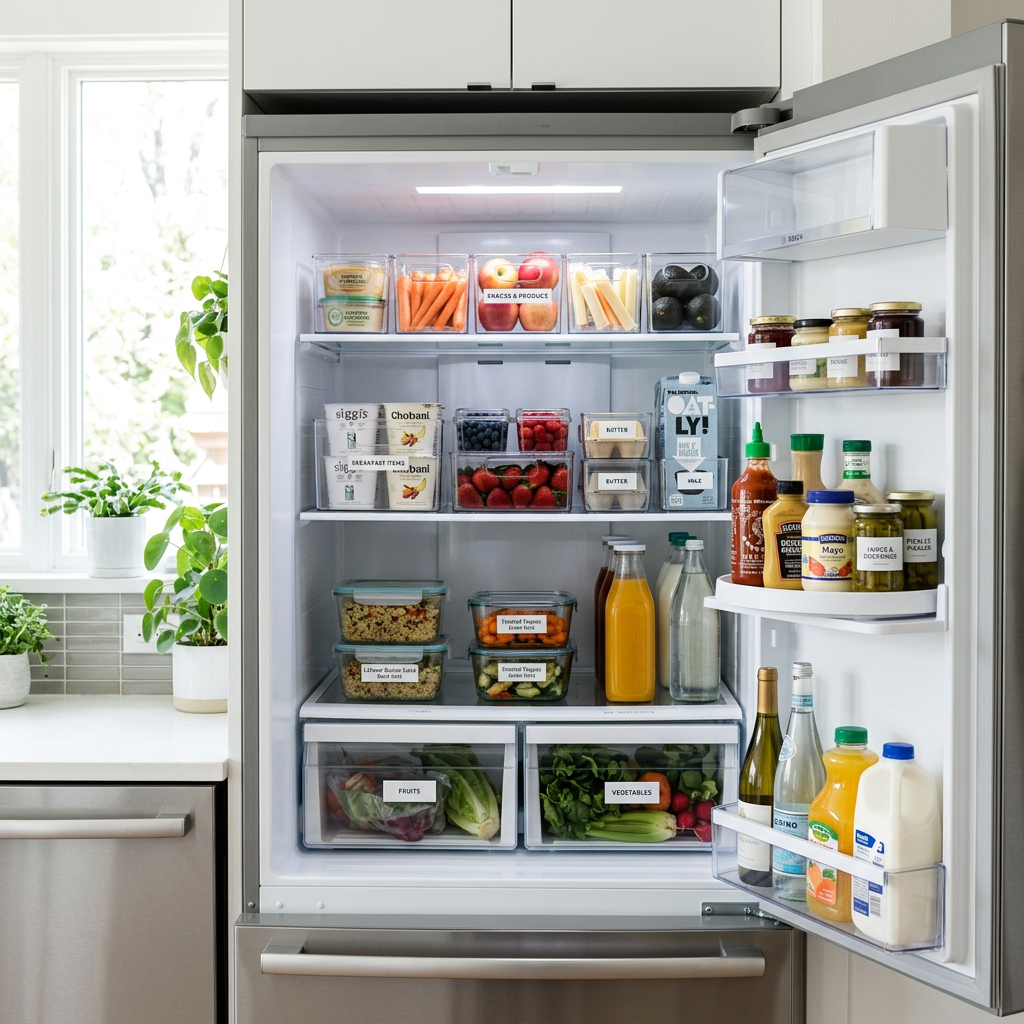
14. Organized Refrigerator Interior
An organized refrigerator interior makes meal planning easier, reduces food waste dramatically, and makes cooking daily meals significantly less stressful — and it is one of those organizational projects that directly impacts your day every single time you open the door.
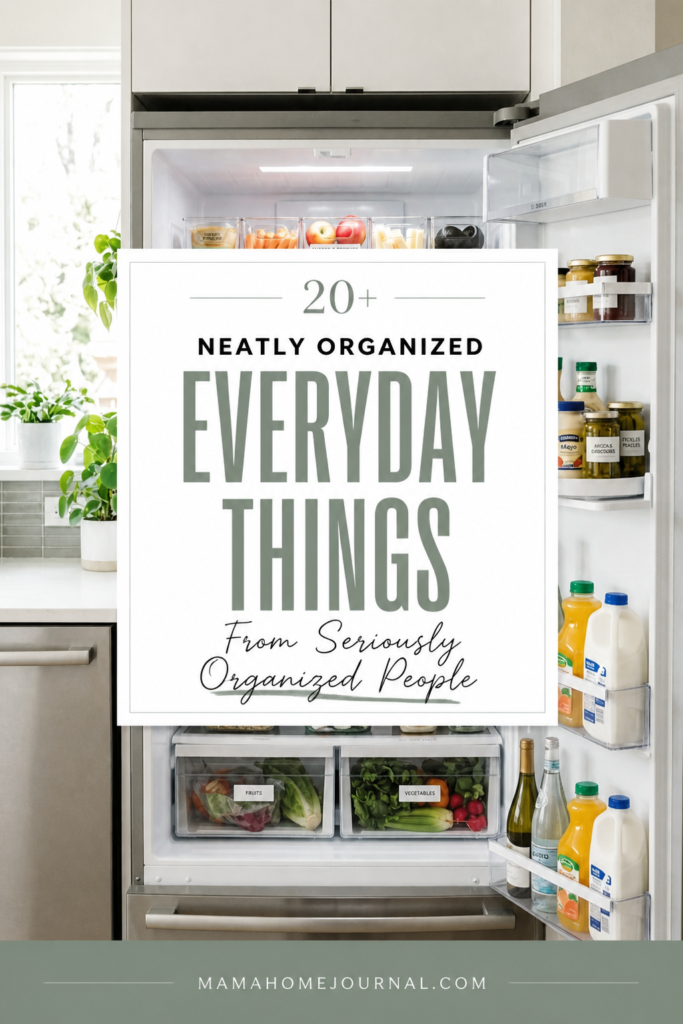
The most seriously organized refrigerators use clear matching bins to group similar items together — breakfast items in one bin, snack items in another, condiments on a dedicated turntable on the door shelf — with taller items at the back and shorter items at the front of each shelf so everything is visible. Leftovers are stored in clear containers so their contents are immediately identifiable, and a designated “use first” bin or shelf section keeps items that need to be eaten soon visible and prioritized.
15. Organized Toy Storage System
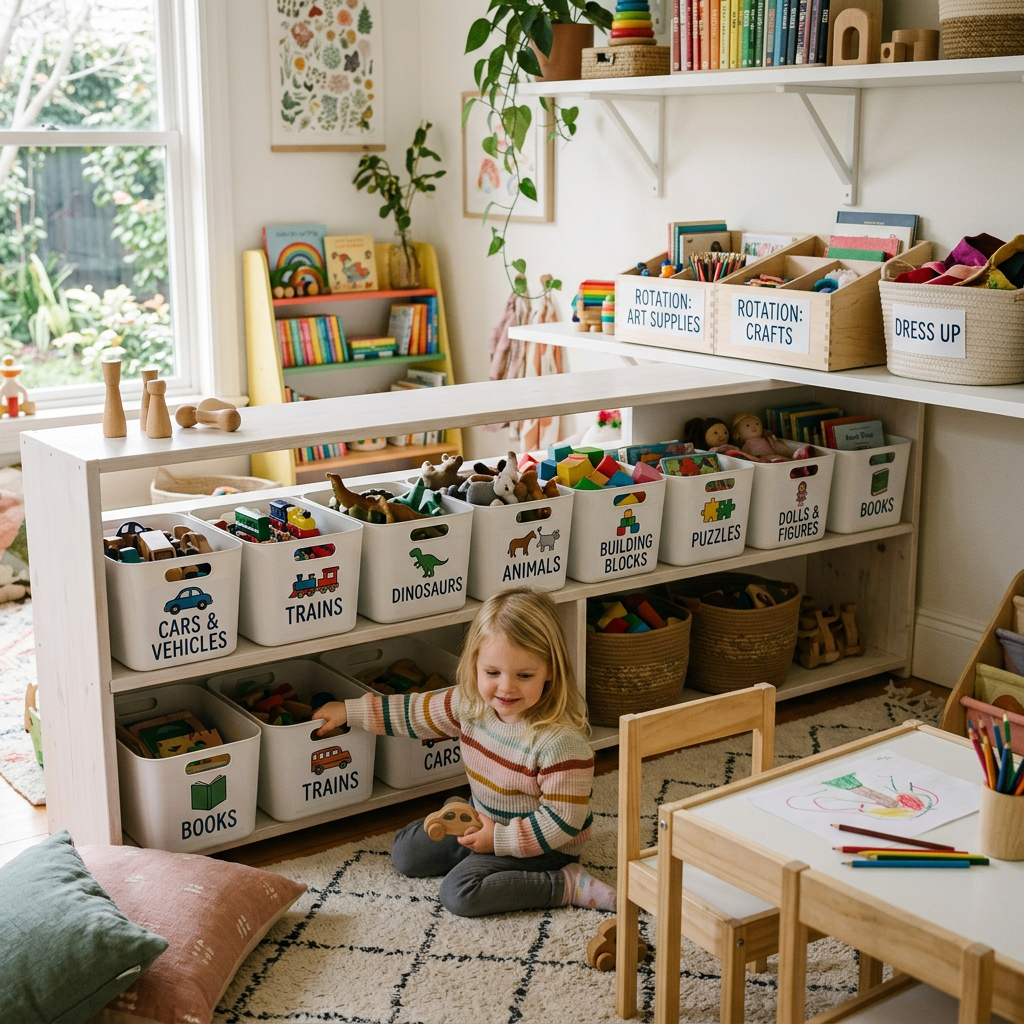
For parents of young children, toy organization is genuinely one of the most ongoing and most important household organizational challenges — because toys reproduce in the night, apparently, and the combination of toy volume and a toddler’s capacity for chaos can feel genuinely insurmountable.
The most effective toy organization systems used by seriously organized parents involve significantly fewer toys available at any one time — a toy rotation system where a portion of toys are stored away and rotated regularly keeps children more engaged with what is available and keeps the overall volume of accessible toys genuinely manageable. Open low bins labeled with pictures for pre-readers and words for older children allow children to participate in the put-away system, which is the most critical component of any toy organization system actually being maintained.
16. Organized Digital Space and Computer Desktop
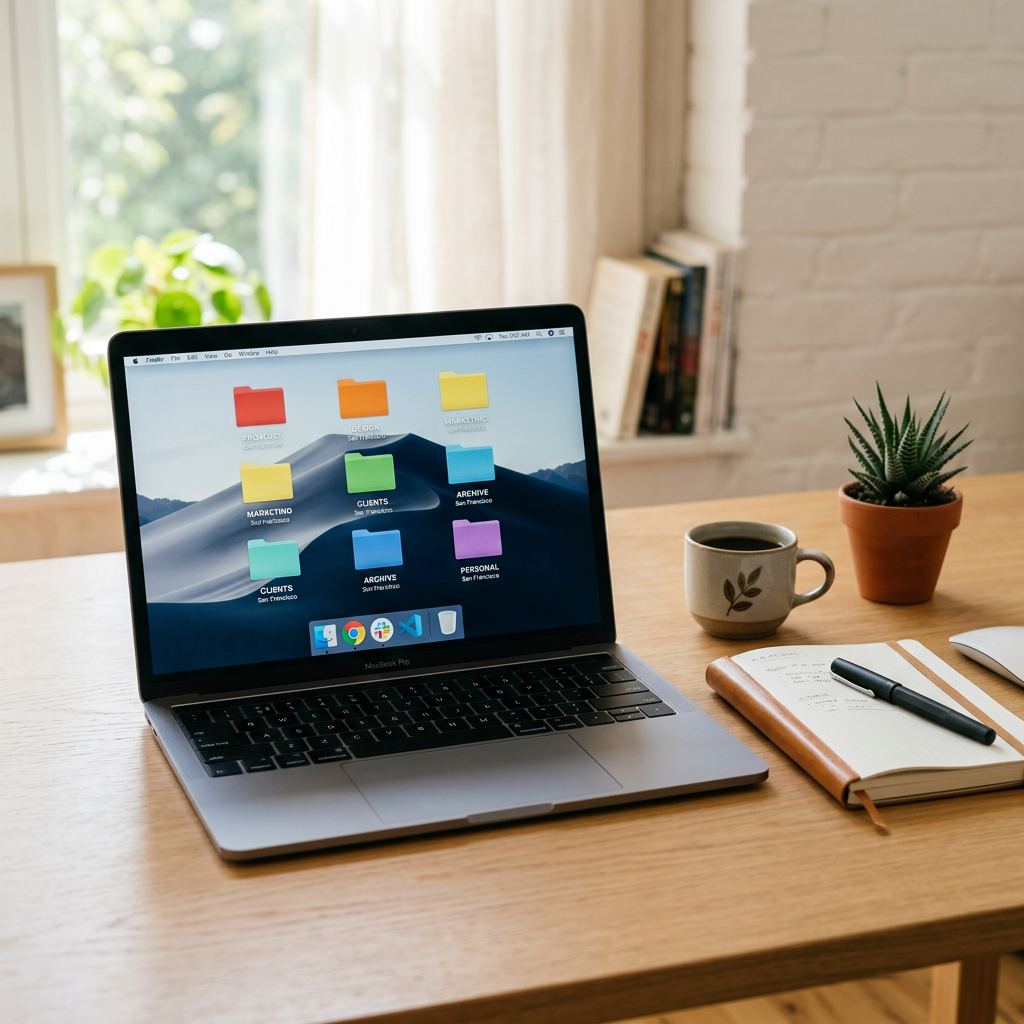
Organization does not stop at the physical — and one of the most genuinely liberating organizational projects you can undertake is bringing order to your digital space. A computer desktop covered in random files and folders, an overflowing email inbox with thousands of unread messages, and a photo library with no organizational system are sources of low-level stress and inefficiency that are easy to ignore until they become genuinely problematic.
The most seriously organized digital people use a folder system that mirrors the way they actually think about their work and life — not the system they think they should use. A consistent file naming convention that includes dates makes files findable by search. An inbox zero approach or a dedicated system of email folders keeps communication organized. And a photo organization system that creates folders by year and then by event or month makes the years of accumulated digital memories navigable and actually enjoyable to browse.
17. Organized Garage Wall and Tool Storage
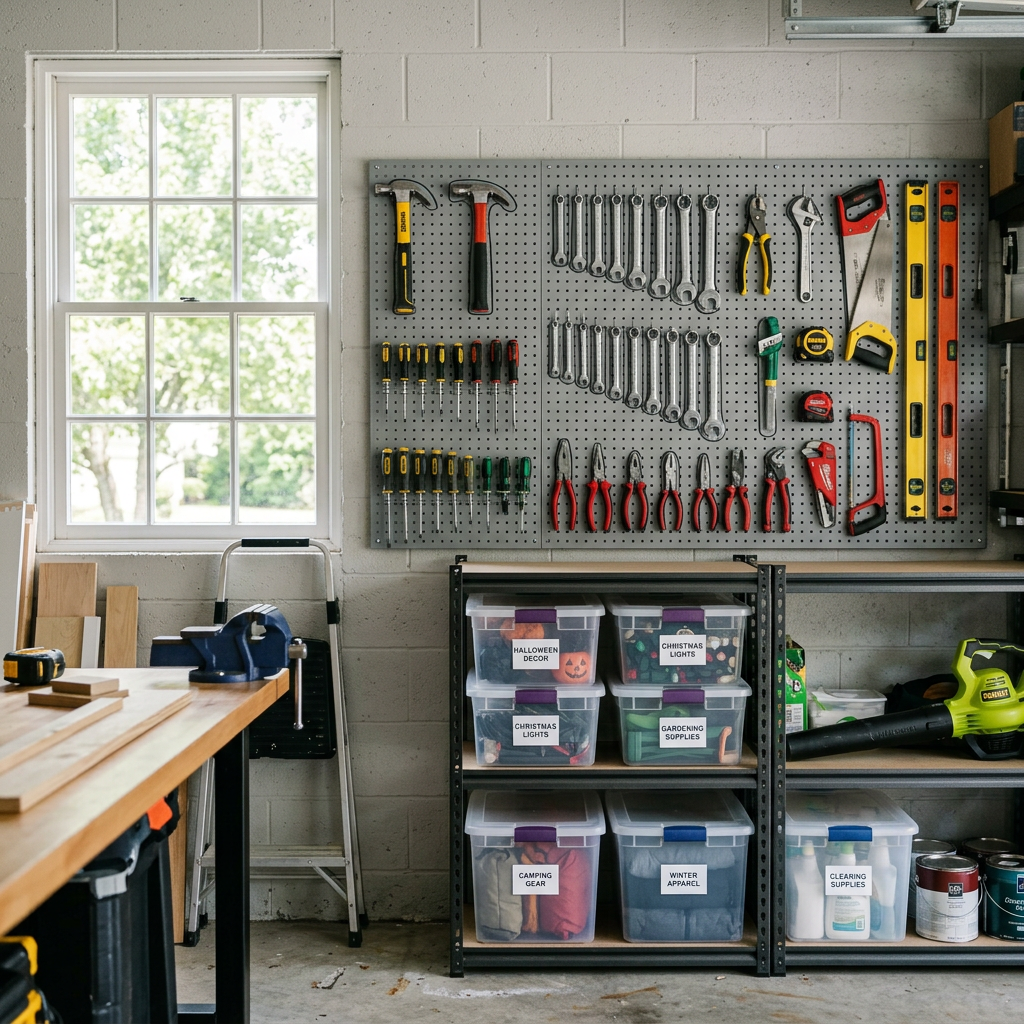
The garage is one of the most frequently neglected organizational spaces in the home — and also one of the ones where effective organization makes the most dramatic practical difference. A garage that has designated, clearly organized zones for tools, sporting equipment, garden supplies, seasonal decor, and automotive supplies transforms from a space that is essentially unusable for anything beyond parking the car to a genuinely functional and accessible extension of your home’s storage capacity.
A wall-mounted pegboard or slatwall system for tools allows everything to be visible, accessible, and returned to a specific designated spot after each use. Clear stackable bins for seasonal items labeled clearly on the front, a tall shelving unit for larger items, and floor hooks for bikes and sports equipment create a garage organization system that genuinely works.
18. Organized Kids’ Backpack and School Gear Station
A dedicated station for all school-related gear — backpacks on hooks at the right height for the children to hang and retrieve them independently, a shelf or bin for shoes, a spot for library books and signed permission slips, and a small organizer for everyday school supplies like pencils, erasers, and scissors — takes the daily chaos of the school morning routine and transforms it into a smooth, frictionless sequence of everyone getting what they need and getting out the door on time.
The organizational magic of this system is making the children genuinely capable of maintaining it themselves — when hooks are the right height, bins are clearly labeled, and the system is designed for the actual humans using it rather than for a photoshoot, children can and do maintain it with minimal prompting.
19. Organized Wardrobe with Color Coding
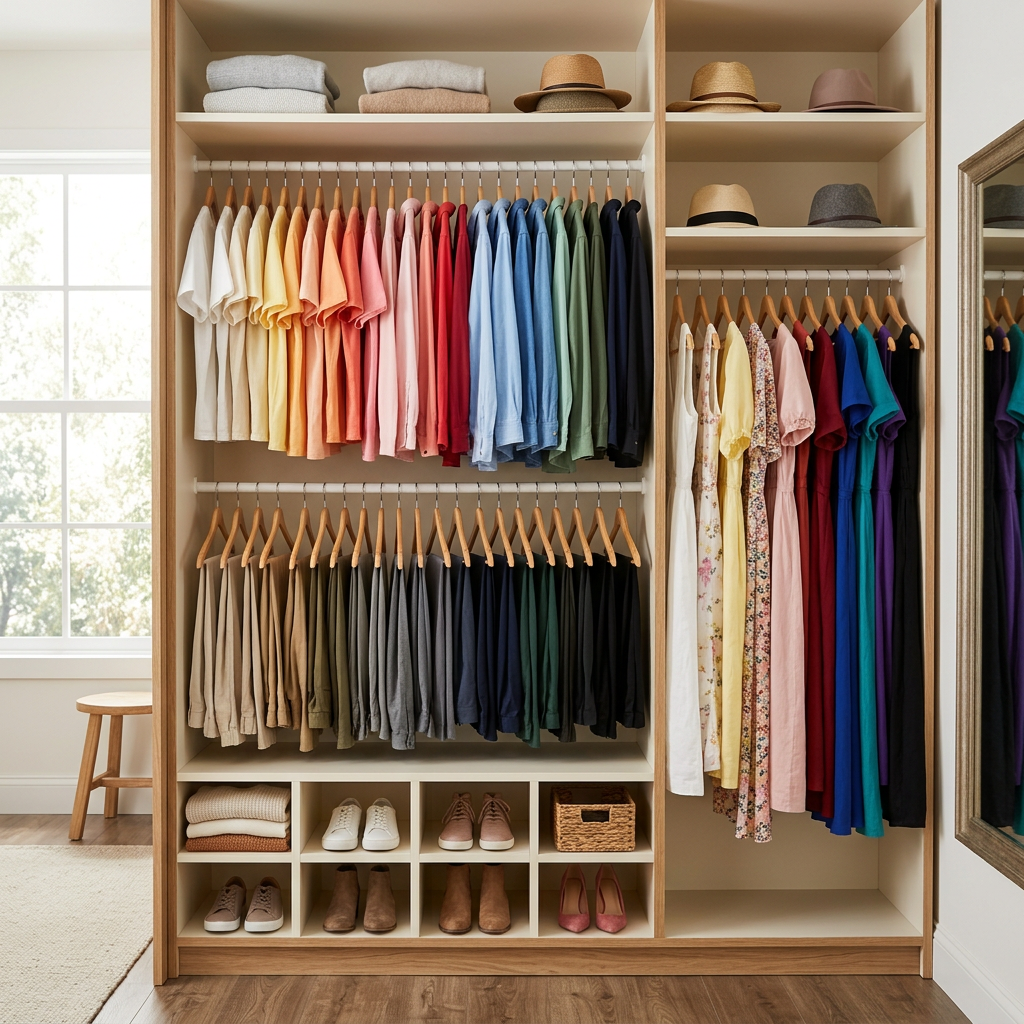
A wardrobe organized by color within each category of clothing — all tanks together by color, all shirts together by color, all trousers and jeans together by color — is one of those organizational approaches that might seem purely aesthetic until you actually implement it and discover how dramatically it improves your ability to see everything you own and put together outfits efficiently.
The most seriously organized wardrobes also involve a regular culling practice — removing anything that has not been worn in twelve months, anything that does not fit, and anything that is genuinely past its wearable life — that keeps the wardrobe at a volume where the color organization system can actually function and where getting dressed in the morning is a genuinely pleasant rather than frustrating experience.
20. Organized Car Interior
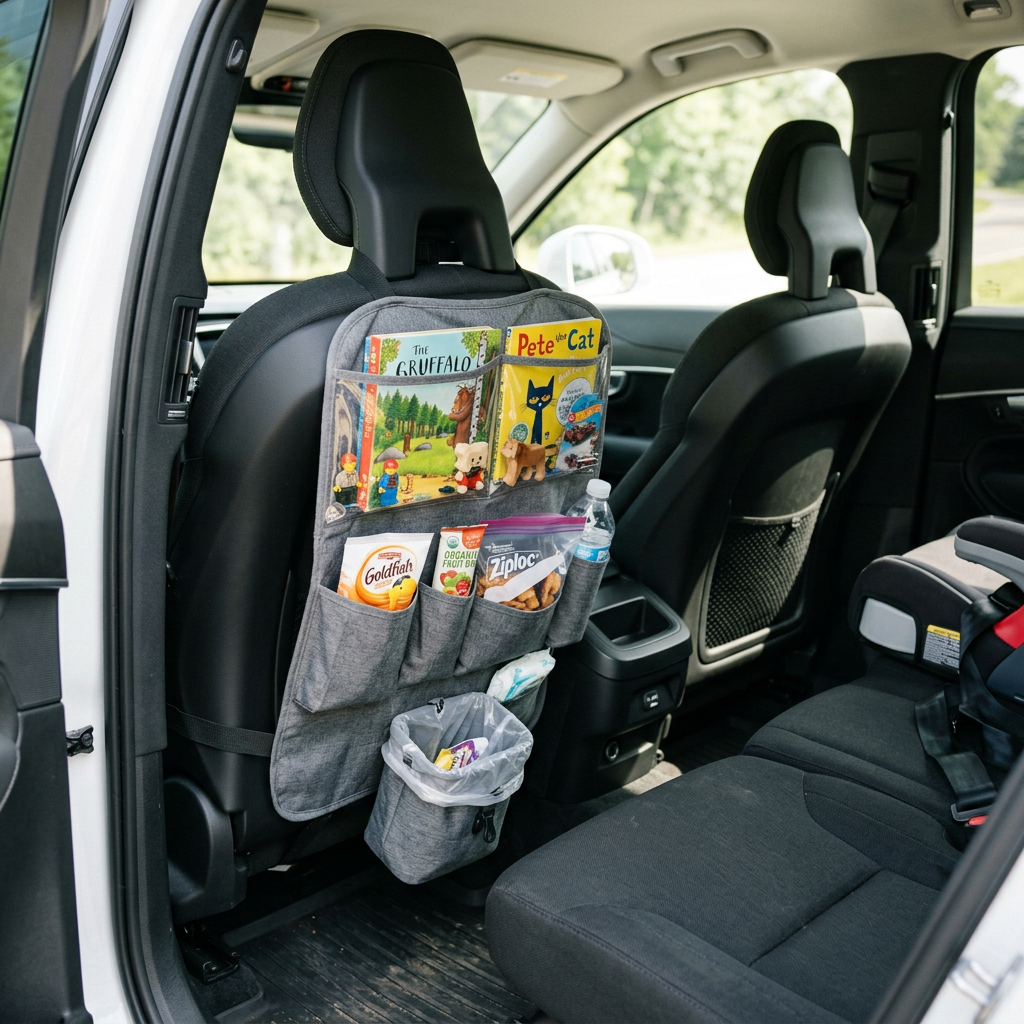
The interior of the family car is one of those spaces that receives almost no intentional organizational attention until it has become a rolling disaster of receipts, children’s snacks, forgotten water bottles, and miscellaneous items that have no idea how they ended up in the car.
A car organizer that fits over the back of the front seat and provides dedicated pockets for tablets, books, small toys, and snacks keeps the backseat manageable for families with children. A small trash bag specifically designated for car use eliminates the creeping accumulation of receipts and wrappers. And a regular weekly car clear-out — just removing everything that does not belong in the car and returning it to its rightful home inside — is the maintenance habit that keeps the system functional week after week.
Tips for Getting Started with Organizing Your Everyday Things
Start with the smallest possible problem and solve only that problem first. The goal is not to organize your entire home this weekend — the goal is to organize your junk drawer, or your medication cabinet, or your pantry spice section. One problem, one solution, one win.
Think in zones and categories rather than in individual items. When you group like things together — all cleaning supplies together, all baking ingredients together, all sports equipment together — the organization emerges more naturally and is easier to maintain.
Get rid of duplicates, expired items, and things you do not use before you organize. There is no point creating a beautiful system for things you do not need — decluttering first makes every subsequent organizational step easier and more effective.
Labels are the difference between an organization system that lasts and one that gradually reverts to chaos. When items have a labeled home, other members of the household can participate in maintaining the system — and you can see at a glance when something is out of place.
Pinterest is genuinely one of the best organizational resources available — search for the specific space you are working on and browse until you find an idea that fits your style, your space, and your realistic ability to maintain it. The best organizational system is always the one you will actually use consistently.
And the single most important rule of maintaining an organized home, from every seriously organized person who has ever shared their wisdom: put things back where they belong immediately after using them. The organization does not maintain itself — the habit of returning things to their designated place is the entire practice. Build the habit, and the organization takes care of itself.